Even though this year's Christmas is quite different from other years, our routine still shifts compared to a normal week (even during a quarantine period). Our diet changes, our exercise changes, our sleep changes, and generally we “deviate” from our established habits. How “good” or “bad” are these changes for us? The answer lies somewhere in the middle.
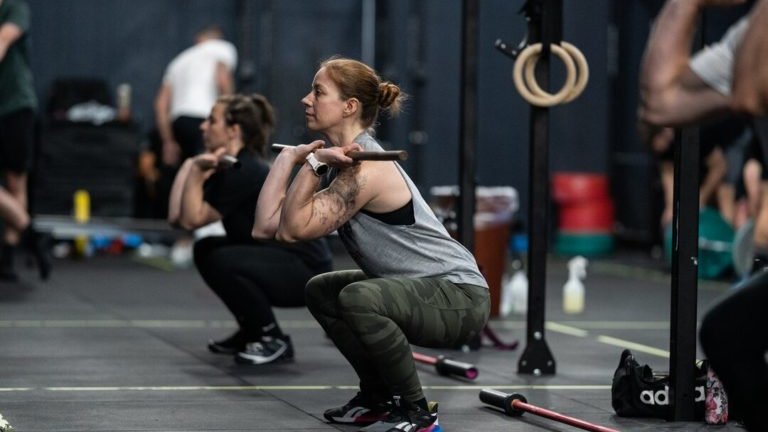
When it comes to exercise, we see it at the gym too, where the world usually splits into two or more camps before the holidays, and even more so right after them. Some stop training two to three days before, or even a whole week ahead. There's also the opposite extreme — those who, if they could, would want the gym open even on Christmas Day itself and New Year's Eve. So on the one hand we have complete abstinence from exercise for 15–20 days, and on the other, anxiety over the consequences of the workouts that won't happen. What should we do instead? 2–4 sessions a week during the holiday period, whether that means training at the gym, running, cycling, some sport, or even working out at home, are enough compared to full abstinence — and help our body not “forget” the adaptations of the previous weeks, both for those who intended to stop and for those who fear that skipping even one day will undo everything.
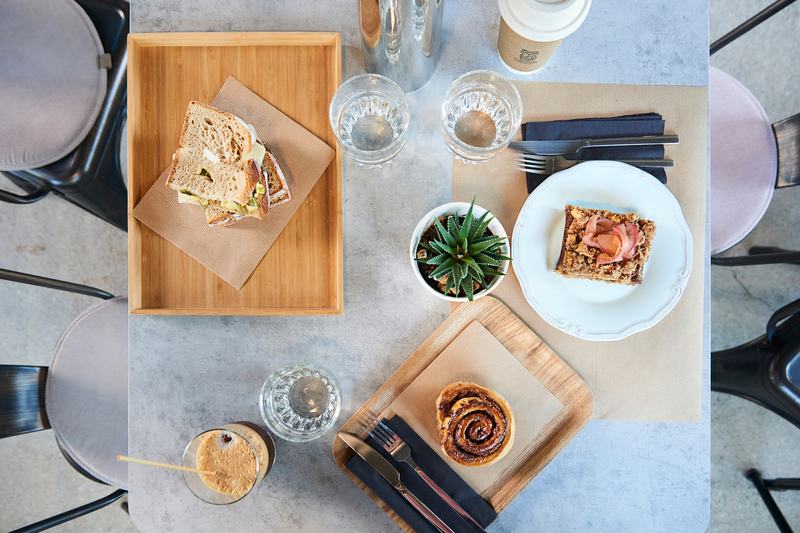
As for nutrition, for some this period means total disorganization in the way they normally eat, and for others, pressure, stress and guilt over whether they'll have something sweet or something outside their usual diet. In the first case, we see skipped meals, a lot of food packed into one or two meals, plenty of sweets, poor hydration and high alcohol consumption. In the second, abstaining from tables with family and friends and stress over sticking to a schedule. But how should we actually eat during the holidays? Again, let's look at it from both sides — no complete derailing of our routine, but also no stress over the occasional small deviation. Here are some tips that will help:
- If you normally eat breakfast on weekdays, eat something similar again, even if you have a festive lunch to go to later. This will keep you from overeating at the table.
- Don't leave your body hungry for many hours. The result will be greater hunger and bigger meals later on. Have some yoghurt, fruit, and nuts to take the edge off your hunger.
- Make sure most of your meals include protein, vegetables, carbohydrates and fats.
- Eat freely at the festive table. Don't think about calories, fats, etc. Festive tables only come around 4–5 times a year. Don't stress about what you'll eat and drink there — worry instead about what you eat and drink the other 360 days of the year.
- Don't forget to drink 6–8 glasses of water throughout the day.
In summary, the holiday period is a period where we shouldn't completely abstain from exercise and nutrition, but we also shouldn't lose the meaning of the holidays by staying glued to our routines!
Merry Christmas & Happy New Year to all,
Constantinos Pallikaris
Graduate of Physical Education and Sports Science
Certified CrossFit Level 3 Trainer, PN Level 1 Coach
Co-owner & Coach at Royal CrossFit